






Home Maintenance Shop the Room!

How to Repair Minor Damage Before Moving Out of a Rental

If you are moving out of your rental soon, here is how to quickly repair some minor damage the easy way to secure you get your deposit back!

Moving out of a rented home feels like a quiet balancing act between excitement for what comes next and the stress of what’s left behind. There are boxes to fill, cupboards to clear, and that lingering worry about the deposit that could so easily slip away. Taking time to restore the little details you once overlooked can make your farewell both graceful and rewarding.

Understand Why Small Repairs Matter

A home that looks cared for speaks volumes. When the property manager enters and observes neat walls, sturdy handles, and naturally shining floors, it signifies a tenant who has shown respect for the space. Everyday wear is expected, yet scuffed paint, cracked tiles, or broken blinds can give a sense of neglect. Ignoring small damage often costs more later. Landlords may hire expensive contractors and subtract the charges from your deposit, leaving you to pay for work that could’ve been avoided. 

A few minutes spent filling tiny holes or tightening fittings saves far more than it costs. It also sets a good example for future tenants, showing that a rented property deserves the same attention as any owned home. If you ever feel uncertain, look up simple guides or short tutorials. Many community workshops now teach quick fixes, from sealing minor cracks to patching wall paint, and learning such skills can help you keep your living space well-maintained wherever you move next. Knowing how to handle small mends builds quiet confidence that follows you from one tenancy to another, helping you care for each property as though it were your own.
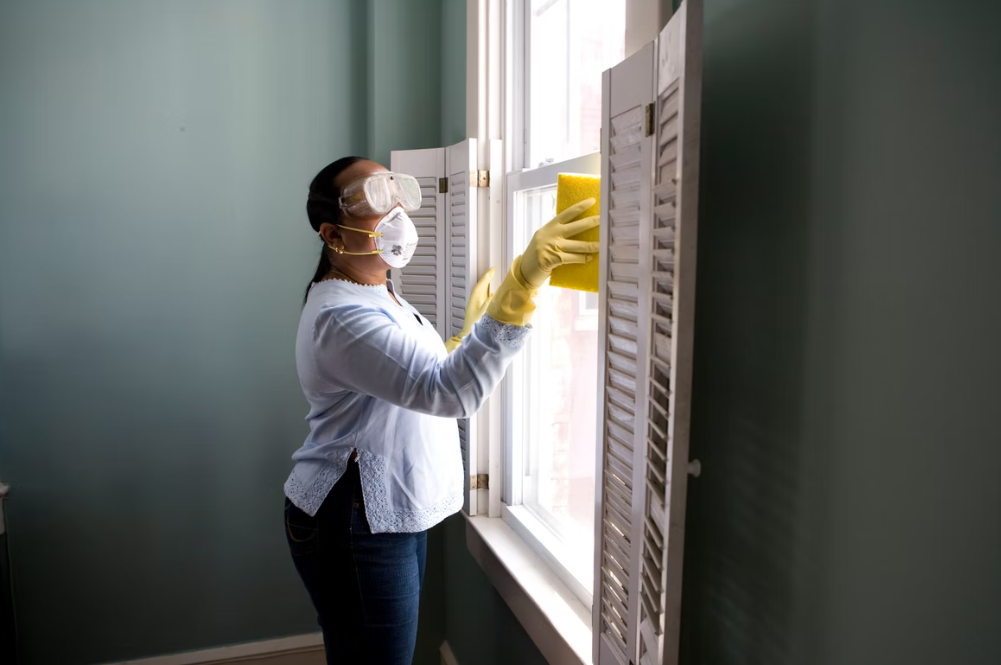
Restore Everyday Wear with Simple Fixes

Every room tells its own story, and small marks often show where life has happened. Rather than seeing them as faults, think of them as reminders that can be gently smoothed away before you hand back the keys.

Start with the walls. Tiny nail holes or faint cracks are easily filled using a small amount of spackling paste. Smooth it with a knife, let it dry fully, and apply a coat of matching paint for a seamless finish. For more noticeable patches, sand the edges lightly first to avoid uneven texture.

Floors deserve similar care. A soft cloth and mild soap will lift most scuff marks from wooden surfaces. Where scratches are deeper, apply a wood-restoring product that blends with the grain. For carpets, gentle dabbing with a solution of white vinegar and warm water works well on stains. If marks persist, booking a trained cleaner is worthwhile, as their equipment reaches deep within the fibres and removes what home vacuums cannot.

Refreshing doorframes, handles, and skirting boards adds the final touch. A single evening devoted to these finishing details transforms tired rooms into spaces that feel newly polished and ready for inspection. Adding a faint touch of polish to wooden trims or handles also helps everything appear brighter without needing a full replacement.

Record and Review the Property’s Condition

Once the repairs are done, take a quiet moment to look around your home. Photograph each room in clear daylight, capturing the condition of the walls, floors, and fittings. These records serve as calm reassurance if a dispute ever arises about your deposit. It’s also wise to arrange a brief walk-through with your landlord or letting agent before the final handover. Addressing concerns together prevents misunderstandings and shows that you’ve handled the process responsibly. 

Keep receipts for any products or small repairs too, as proof of your effort. In some cases, landlords appreciate seeing how you improved the space, which can make them more flexible about minor imperfections left behind. Being open, polite, and organised builds trust at a time when clarity matters most. 

It can also lead to a helpful reference for your next rental, as good tenants are often remembered for how well they left their previous homes. When possible, ask for written confirmation that the property meets expectations after your final review. This extra step ensures that all parties agree and gives you peace of mind long after the move.

Clean Thoroughly for a Lasting Impression

Repair and cleaning go hand in hand when preparing to move. A home can look neat on the surface, yet miss the sparkle that makes it inspection-ready. Kitchens and bathrooms, in particular, need detailed attention since these are the first areas landlords check. Wipe every surface, scrub tiles, and polish taps until they shine. Clean windows, vacuum corners, and dust light fixtures to lift the overall brightness of the space. 

Even a faint smell of fresh air can leave a better impression than the strongest scent spray. Don’t forget behind appliances, as hidden dust or crumbs can quickly undo hours of hard work. For those balancing work and moving, calling in qualified assistance can save precious time. Specialised tenancy cleaners understand what property owners expect and use powerful equipment that removes stubborn grime from ovens, tiles, and carpets. 

They can transform a home overnight, ensuring it looks spotless for inspection and helping secure the full return of your deposit. If you choose to clean on your own, start early and focus on high-impact areas. Finishing these sections first gives you momentum and keeps stress low in the final days before departure. 
Plan Ahead and Meet Your Lease Obligations

Organisation is the quiet key to a smooth move.  Begin several weeks before your notice period ends so you can repair, clean, and inspect without rushing. Even an hour per evening adds up to remarkable progress.

Revisit your tenancy agreement carefully. Some contracts list specific requirements such as carpet shampooing or professional window cleaning. Understanding these obligations early prevents last-minute surprises and unnecessary expenses. If anything is unclear, contact your letting agent or landlord directly rather than guessing. 

Clear communication protects both sides and allows you to focus on what truly matters—leaving the property in good order and closing this chapter with confidence. Creating a checklist can also help. Include everything from minor fixes to returning keys, and tick off each task as it’s completed. This small act brings a sense of calm control, making even the busiest moving week feel manageable. Another helpful step is to coordinate your utility accounts and change of address early. 

Not only does this prevent extra charges, but it also ensures that final readings and bills are accurate. Leaving your home in order, both physically and administratively, shows integrity and care that landlords always value.

Conclusion

Leaving a rental in good order is simply a matter of patience and care.  By fixing small faults and finishing with a thorough clean, you protect both your deposit and your reputation as a thoughtful tenant. A calm, organised farewell always sets the tone for a confident new beginning.

Read more
Backyard & Garden Shop the Room!

Saltwater vs. Traditional Chlorine Pools: Which Is Better?

Choosing the right pool system is crucial for ensuring long-term satisfaction. Saltwater pools use saltwater chlorinators to maintain water cleanliness with minimal manual intervention!

These chlorinators convert salt into chlorine, providing a stable and automated sanitation process. In contrast, traditional chlorine pools require regular chemical additions and more frequent monitoring of pH levels. This method demands more hands-on maintenance but offers precise control over water chemistry. Both types have unique characteristics that cater to different preferences and needs, making it important to understand the distinctions before deciding.

Maintenance differences

Saltwater pools, with their built-in chlorinators, generally require less manual effort. These systems automatically convert salt into chlorine, stabilizing chlorine levels with minimal chemical adjustments. However, salt can cause corrosion to pool parts, necessitating regular inspections and occasional replacements of components like ladders and fixtures.

Traditional chlorine pools involve more hands-on work. Owners must regularly add chlorine, monitor pH levels, and frequently test the chemical balance. This method can be more time-consuming and may present a steeper learning curve for new pool owners. Nevertheless, it allows for precise control over water chemistry, which some owners may find beneficial.

pool concept glass dining room ideas luxuruious pool florida luxury dream home white stucco florida modernism keystone palm trees landscaping pool ideas interior design houzz pinterest shop room ideas minimalism minimalist outdoor home

Health and safety considerations

Saltwater pools are often noted for being gentler on skin and eyes. The water feels softer, and because the salt levels are much lower than in seawater, it’s typically kinder to sensitive skin and eyes. This is beneficial for families with young children or individuals with skin sensitivities.

On the other hand, traditional chlorine pools can sometimes irritate due to higher chlorine levels. Prolonged exposure to chlorine may lead to dry skin and itchy eyes. However, when managed correctly, chlorine effectively eliminates harmful bacteria and ensures pool hygiene.

Cost analysis

Saltwater systems typically have higher initial costs due to purchasing a saltwater chlorinator and potential upgrades to existing equipment. These systems often lower ongoing expenses because fewer chemicals are needed, and maintenance is generally less frequent.

Conversely, traditional chlorine pools generally come with lower upfront costs. However, the long-term expenses can be significant, as they require consistent chemical purchases and possible professional maintenance services. This ongoing need for chemical balancing can accumulate over time, affecting the total cost of ownership.

While both systems have their financial implications, it’s important to consider your budget and long-term financial planning when deciding between a saltwater or traditional chlorine pool.

Environmental impact

Saltwater pools are generally more eco-friendly because they need fewer chemicals, and saltwater chlorinators help reduce chlorine release into the environment. However, improper management of salt levels can negatively affect local plant life. Traditional chlorine pools use more chemicals, which can harm the environment if improperly handled and disposed of. Chemical runoff from these pools can damage surrounding ecosystems. Opting for eco-friendly products and practicing responsible disposal can help mitigate these environmental concerns.

Managing both pools carefully is essential to minimize their impact on nature.

User experience and comfort

The user experience can vary significantly between saltwater and traditional chlorine pools. Many people find saltwater pools more enjoyable to swim in due to the softer and silkier feel of the water. This pool type often feels gentler on the skin and doesn’t cause as much eye irritation, making it a preferred choice for those with sensitive skin or young children.

In contrast, traditional chlorine pools can have a distinct smell, which some find unpleasant. They might also cause dryness or irritation to the skin and eyes if the chlorine levels are not perfectly balanced. However, some swimmers appreciate a well-maintained chlorine pool’s classic, clean feeling. The experience in a chlorine pool can be very refreshing, especially when the water chemistry is managed correctly.

Making the right choice for you

Deciding on the right pool type requires balancing several factors. Saltwater pools are ideal for those who prefer low maintenance and softer water. The automatic chlorination system in these pools means fewer manual adjustments, making them a convenient choice for busy families or those new to pool ownership.

Traditional chlorine pools offer that precision for individuals who prefer more control over their pool’s chemistry. Regular monitoring and chemical adjustments allow owners to fine-tune the water quality, which can be beneficial in maintaining a clean and safe swimming environment.

Another important consideration is the initial investment versus long-term costs. While saltwater systems may have higher upfront costs, they often result in lower ongoing expenses. Traditional chlorine pools, on the other hand, have lower initial costs but can incur higher long-term maintenance expenses due to regular chemical purchases.

Environmental impact is also a factor; saltwater pools generally use fewer chemicals, which can be a more eco-friendly option. However, improper management can cause environmental harm, so responsible maintenance is crucial for both types. By evaluating these factors and considering your specific needs and preferences, you can decide which pool type is best suited for you.

Choosing between saltwater and traditional chlorine pools depends on your needs and lifestyle. Evaluate your priorities — ease of maintenance, initial and long-term costs, environmental impact, or user comfort — to make an informed choice that best suits your lifestyle.

Read more
Decorating ideas Shop the Room!

Coastal Nursery Decor Ideas to Bring the Beach Vibes Indoors

Transforming your baby’s room into a tranquil seaside haven is an excellent way to evoke a sense of calm and serenity!

This nautical nursery decor theme allows you to capture the essence of the beach with a mix of soothing colors, natural materials, and playful accessories. Imagine a space filled with soft blues, sandy beiges, and gentle whites that mimic the shoreline, enhanced by driftwood accents and seashell decorations. The goal is to create a peaceful and inviting environment where you and your baby can feel relaxed and connected to the calming rhythms of the ocean.

Color schemes for a beach vibe

A beach-themed nursery embraces soft, tranquil colors reminiscent of the sea and sky. Popular shades include pale blues, deep ocean tones, sandy beiges, crisp whites, and gentle pastels. Mixing and matching these hues can achieve a soothing effect. For instance, pair a soft aqua with a sandy beige or use white as a base color to balance out darker navy accents. Maintaining a harmonious palette that echoes the serene beach vibe is key.

Wall art and decorations

Think of the beach’s natural beauty when choosing wall art and decorations. A gallery wall with framed prints of seashells, starfish, and ocean waves adds charm. Wall decals featuring sea creatures like turtles or dolphins can bring a playful touch. Personalize the space with a framed piece showcasing your child’s name surrounded by nautical elements. Consider a chalkboard or corkboard for an interactive twist where new seaside-inspired drawings or photos can be pinned as your child grows. These elements create an engaging and visually appealing environment.

Furniture and accessories

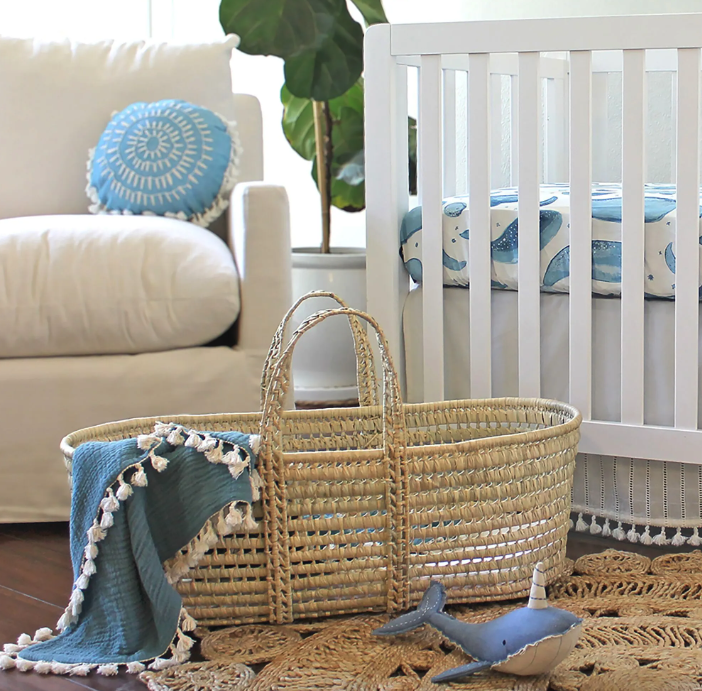
Opt for furniture crafted from natural materials like rattan or light wood to enhance the breezy, coastal feel. A white or light wood crib with a simple, classic design fits seamlessly into this theme. Complement the main pieces with ocean-inspired accessories such as a nautical mobile featuring boats or sea creatures. Storage solutions can also reflect the theme; think baskets woven with rope or storage bins with anchors or sailboat motifs. For seating, a comfortable rocking chair with soft blues or sandy beige cushions adds both functionality and style. Incorporate a changing table with drawers or shelves for additional storage, keeping the space organized and clutter-free.

Textiles and fabrics

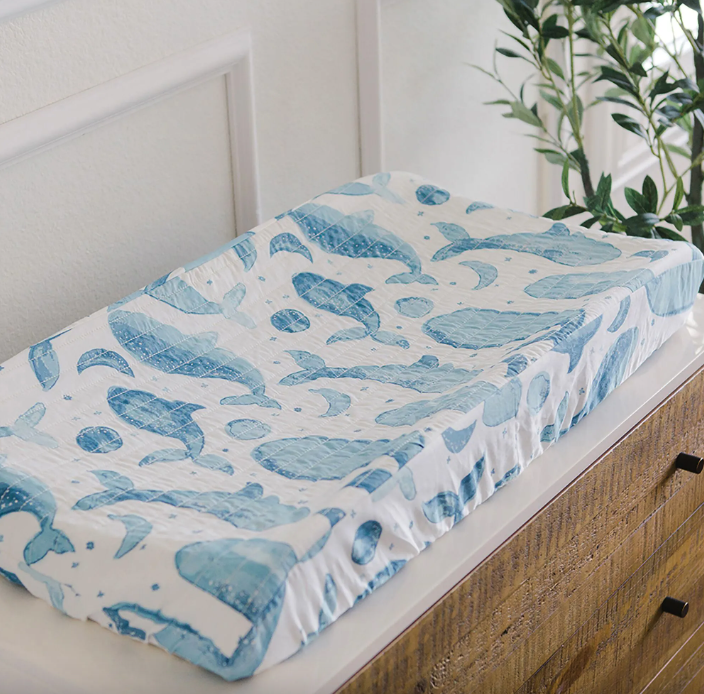
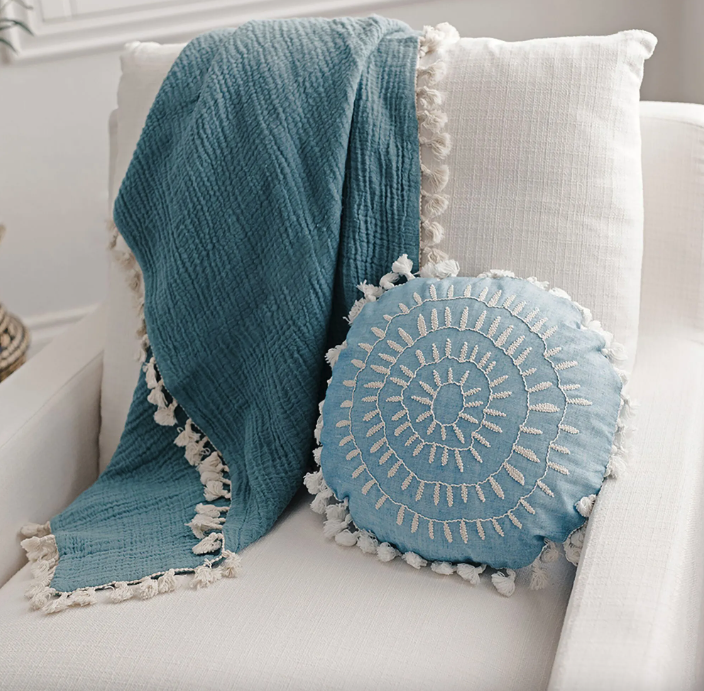
Incorporate textiles that capture the essence of the beach with bedding, curtains, and throws that feature coastal patterns like waves, shells, and fish. A plush area rug with a sandy texture can add warmth and comfort to the nursery floor. To mimic the varied sensations of the shoreline, layer different fabrics such as soft cotton and breezy linen. These materials enhance the theme and provide a tactile experience that can be soothing for your baby. Add decorative pillows with nautical designs or a cozy blanket reflecting the seaside vibe. The combination of these elements will make the space feel cohesive and inviting.

Incorporating natural elements

To truly bring the beach indoors, incorporate natural elements into the decor. Decorate shelves or windowsills with small collections of shells, pieces of driftwood, or even jars filled with sand. These items not only add a natural touch but also introduce textures that are reminiscent of the coast. Consider using a driftwood branch as a unique curtain rod or as a base for a hanging mobile. These natural elements help establish a direct connection to the outdoors and bring fresh sea air into the nursery.

Safety tips for decorating

When designing your coastal nursery, prioritizing safety is essential. Start by ensuring all decor is securely fastened to prevent any accidents. Use non-toxic, eco-friendly paints and finishes for the walls, furniture, and decorations. Mobiles and hanging decor should be placed well out of your baby’s reach and secured firmly to avoid risks. Make sure that wall art is hung with sturdy hardware, and avoid placing heavy items directly above the crib.

Child-proofing the room is a crucial step. Secure furniture, such as dressers and changing tables, to the wall to prevent tipping. Use outlet covers to keep tiny fingers safe from electrical sockets, and choose window treatments without cords or with safety mechanisms to avoid entanglement.

When selecting toys and accessories, ensure they are appropriate for your child’s age and do not have small parts that could be choking hazards. For added peace of mind, use a baby monitor to keep an eye on your little one while they sleep or play. Maintaining a clutter-free space also contributes to a safer environment. Regularly check the nursery for any potential hazards, such as loose screws or splintered wood, and address them immediately. Opt for soft, non-slip rugs to prevent slips and falls. Taking these precautions creates a secure, serene space where your baby can explore and grow safely.

Bringing coastal elements into your baby’s nursery offers a wonderful blend of relaxation and charm. With thoughtful planning and attention to detail, your coastal nursery will be a beautiful, serene space where your baby can relax, explore, and grow.

Read more