
Category - Decorating ideas

Decorating ideas

What to Look for When Buying Art For Your Home

Choosing the right art for your home is more than just filling empty wall space—it’s about creating a meaningful environment that reflects your personality, values, and lifestyle!

Whether you’re decorating a cozy apartment or a spacious family home, the artwork you select can influence mood, spark conversation, and tie your entire design together. With so many options available, knowing what to look for can help you make confident and intentional choices.

Define Your Personal Style

Before you begin shopping, take a moment to identify your personal aesthetic. Do you gravitate toward modern minimalism, rustic charm, or traditional elegance? Your existing décor—furniture, color palette, and textures—can serve as a guide.

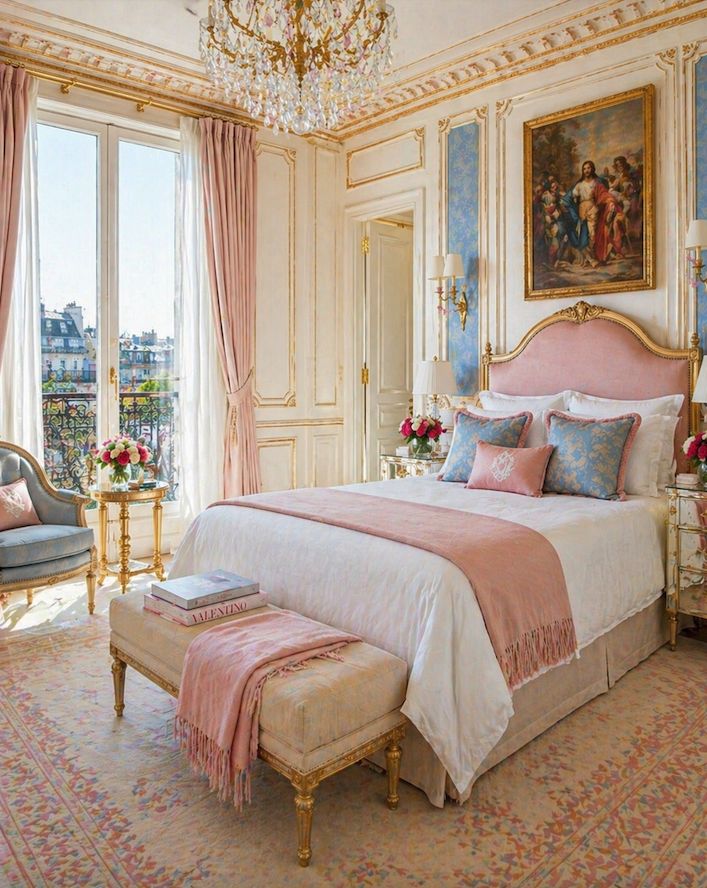
For example, if your home features neutral tones and clean lines, abstract or modern pieces may complement your space. On the other hand, a farmhouse-style interior pairs beautifully with landscape art or vintage-inspired prints. When your artwork aligns with your overall style, your home feels cohesive rather than cluttered.

Consider the Emotional Impact

Art has the power to evoke emotion, so choose pieces that resonate with you on a deeper level. Whether it’s a calming coastal scene, an inspiring quote, or a faith-based image, the right artwork can set the tone for a room. In spaces like bedrooms or reading nooks, opt for soothing and peaceful imagery. In high-traffic areas like living rooms or entryways, you may want something bold or uplifting that makes a statement.

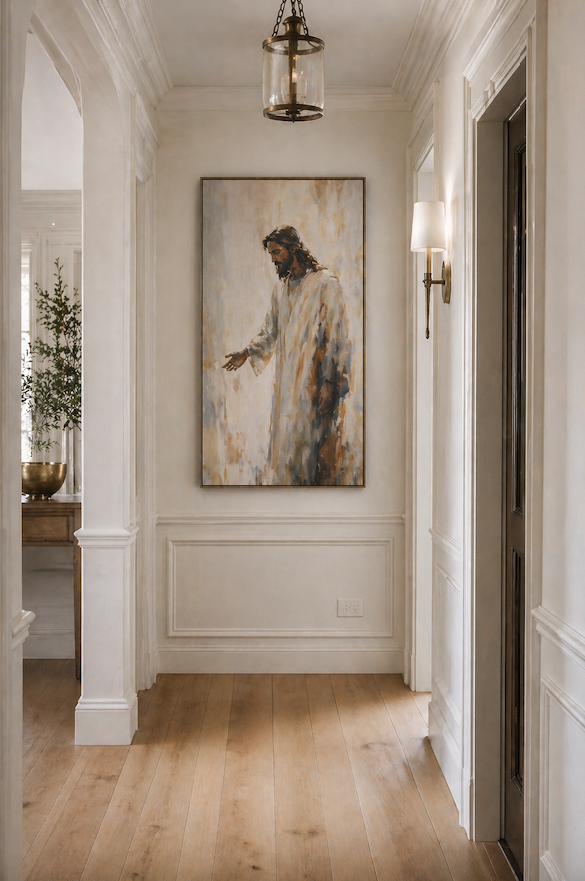
For many homeowners, incorporating meaningful pieces such as contemporary Christian artwork from Reflections of Christ adds both beauty and spiritual encouragement to everyday life.
Focus on Size and Scale

One of the most common mistakes people make when buying art is choosing the wrong size. A piece that’s too small can feel insignificant, while something too large may overwhelm the space.

As a general rule:

  • Artwork above furniture (like a sofa or bed) should be about two-thirds the width of the furniture.
  • Large walls benefit from oversized pieces or gallery walls.
  • Smaller walls or corners work well with single, modest-sized pieces.

Before purchasing, measure your wall space and visualize how the artwork will fit within the room.

Pay Attention to Color Coordination

Color plays a crucial role in how art integrates with your home. While your artwork doesn’t need to match your décor exactly, it should complement the existing color scheme.

Look for pieces that:

  • Echo accent colors already present in your room.
  • Introduce subtle contrast without clashing.
  • Help balance bold or neutral palettes.

For instance, if your living room includes shades of blue and gray, artwork with similar tones can create harmony while still adding visual interest.

Choose Quality Over Quantity

It can be tempting to fill every blank wall, but quality should always take precedence over quantity. A few well-chosen pieces will have a greater impact than an overcrowded collection.

When evaluating quality, consider:

  • The materials used (canvas, paper, framing).
  • The printing or painting technique.
  • The durability and longevity of the piece.

Investing in high-quality artwork ensures that your selections will remain beautiful and relevant for years to come.

Think About Placement and Lighting

Even the most stunning artwork can lose its impact if it’s poorly placed or improperly lit. Take time to consider where your art will be displayed and how lighting will affect its appearance.

Natural light can enhance colors but may cause fading over time, so avoid placing delicate pieces in direct sunlight. In darker areas, consider adding accent lighting such as picture lights or adjustable wall sconces to highlight your artwork.

Proper placement at eye level also makes a significant difference in how your art is perceived.
Mix and Match Thoughtfully

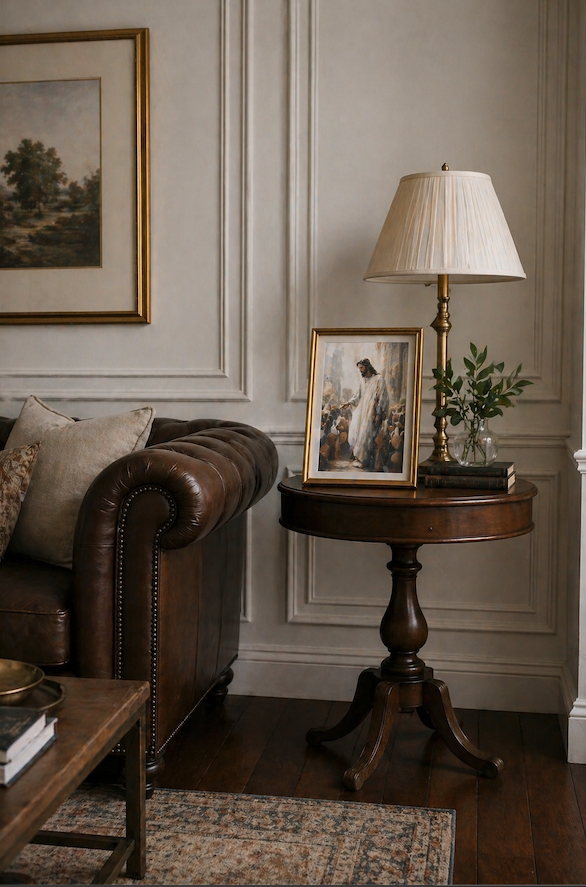
Don’t be afraid to combine different styles, mediums, and frame types—but do so with intention. A well-curated mix can add depth and personality to your home. Gallery walls are a great way to showcase a variety of pieces while maintaining a cohesive look. 

To keep things balanced:

  • Stick to a consistent color palette or theme.
  • Space pieces evenly.
  • Use similar frame styles for unity.

This approach allows you to tell a story through your artwork while keeping the display visually appealing.

Set a Realistic Budget

Art comes in a wide range of price points, so it’s important to establish a budget before you start shopping. Fortunately, beautiful and meaningful artwork can be found at every price level.

Consider balancing your investment by:

  • Splurging on one or two statement pieces.
  • Supplementing with affordable prints or DIY art.
  • Gradually build your collection over time.

This strategy helps you create a curated look without overspending.

Trust Your Instincts

At the end of the day, the most important factor is how the artwork makes you feel. Trends come and go, but your connection to a piece is what truly matters.

If you find yourself drawn to a particular artwork again and again, it’s likely a good fit for your home. Trusting your instincts ensures that your space feels authentic and uniquely yours.
Read more
Decorating ideas Shop the Room!

Minimalist Thanksgiving Decor Ideas for a Classy Celebration

Thanksgiving is more than just a feast—it’s a reflection of warmth, gratitude, and connection!

This year, the trend toward simplicity and mindfulness has made minimalist decor a favorite among hosts seeking a more refined, intentional holiday atmosphere. By focusing on neutral palettes, natural materials, and meaningful details, you can create a stunning Thanksgiving setting that radiates calm sophistication without clutter or overwhelm.

Here’s how to design a minimalist Thanksgiving celebration that feels effortlessly elegant—complete with ideas for the table, home accents, and ambient touches.

Start with a Soft, Natural Palette

Minimalism thrives on simplicity and harmony. Instead of overwhelming the eye with layers of bright orange and gold, opt for muted tones inspired by nature—soft whites, beiges, taupes, tan, and sage. Mix textures over colors: think raw linen napkins, smooth ceramic dishware, and matte serving bowls.

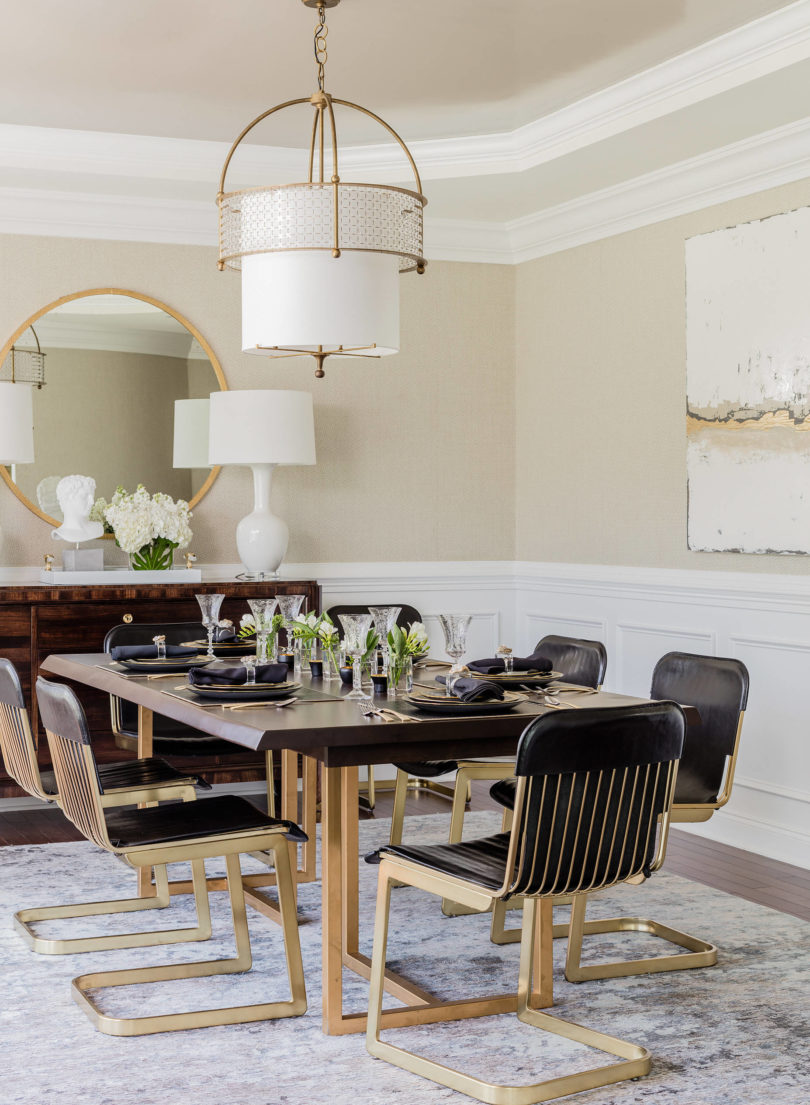
Natural elements are the cornerstone of minimalist Thanksgiving decor. Combine wooden chargers, stone platters, and neutral linens to build a grounded tablescape. For an inviting touch, layer a woven throw or accent pillows onto dining chairs. A piece like this jute pillow from Crane Home adds subtle texture and embodies the earthy calm that defines minimalist style.

Elevate the Table with Understated Elegance

A minimalist Thanksgiving table doesn’t need elaborate centerpieces to feel festive. Instead, choose one focal point that makes an impact. A single vase filled with seasonal greenery—such as eucalyptus, dried wheat, or olive branches—creates height and draws the eye naturally.

Trade large florals or pumpkins for smaller accents: mini gourds in neutral tones, votive candles in glass holders, or handcrafted ceramic bowls filled with pears or pinecones. Cluster items in odd numbers and keep surfaces visible between decor pieces to maintain a feeling of openness.

For an ultra-polished touch, use a neutral or wood-toned table runner instead of a full tablecloth. Exposed tabletops made of wood, stone, or even concrete reflect minimalist authenticity.

Play with Light and Warmth

Lighting sets the tone for your Thanksgiving celebration, especially as daylight fades earlier in the season. Soft, ambient lighting makes minimalist spaces come alive. Replace bright overhead lights with a mix of candlelight and low, warm-toned lamps.

Tall taper candles placed symmetrically down the center of the table add a golden glow and instant sophistication. For a modern twist, place candles at varying heights or use sleek black holders for contrast against white or beige linens. Dim lighting also helps metallics—like gold or copper accents—glisten subtly, adding depth without excess.

Choose Quality Over Quantity

Minimalist Thanksgiving decorating is about intentional choices. Rather than crowding your home with themed trinkets, focus on a few timeless, high-quality pieces that can transition easily into winter. For example, rather than filling vases with faux leaves, try a simple bouquet of fresh seasonal stems that can later complement your holiday decor. Simple elements like matte-finish plates, neutral cloth napkins, and simple name cards tied with twine or dried herbs embody understated luxury. It’s not about having less—it’s about making each item count.

Incorporate Organic Materials

Texture plays a powerful role in minimalist decor, especially when color is kept restrained. Combine organic materials to add depth and warmth. Think jute, linen, wood, clay, and woven fibers. These natural elements create visual interest without feeling “busy.” 

Wicker trays filled with gourds, linen table napkins tied simply with a strand of thread, or a reclaimed wood breadboard layered with fruits and nuts blend rustic elegance with modern simplicity. A textured accent can tie the entire aesthetic together while maintaining a cohesive look throughout dining and living spaces.

Add Personal, Thoughtful Touches

Minimalism doesn’t mean sterile—it means intentional. Thanksgiving thrives on emotional warmth and meaning, which you can reflect through personal details that celebrate gratitude.

Try handwritten name cards listing one thing you’re thankful for about each guest, or place a small card at every seat where invitees can write what they’re grateful for and read aloud during dinner. These moments create connection and align perfectly with the holiday’s purpose—gratitude over grandiosity.

Simplicity also extends to scents. Light a subtle candle with natural notes of wood, vanilla, or cinnamon to create a cozy ambiance without overpowering the meal’s aroma.

Extend the Minimalist Style Beyond the Table

Carry your minimalist aesthetic throughout the home with cohesive, low-key details. A wreath made of dried grasses or eucalyptus above the mantel ties the season’s essence together. On side tables, glass vases, stacked coffee table books in neutral shades, and subtle metallics add structure and charm.

Consider small accents like linen runners, natural woven coasters, or a centerpiece bowl with fresh produce—functional, beautiful, and totally Thanksgiving-appropriate. Minimal holiday decorating also makes for a cleaner, more relaxed hosting experience. A decluttered space fosters a sense of calm for both the host and guests, allowing everyone to savor the season’s spirit.

Why Minimalist Thanksgiving Decor Works

When done thoughtfully, minimalist Thanksgiving decor combines form, function, and emotion. It’s visually restful yet rich in texture, understated yet meaningful. By blending organic materials, neutral palettes, and personal details, you can turn your celebration into an effortlessly stylish event that feels grounded, elegant, and serene.

This holiday, let your decor reflect what Thanksgiving truly stands for—intentionality, gratitude, and connection. With fewer elements and more focus on simple beauty, your minimalist design will not only elevate your dining table but also create a sense of calm warmth that keeps guests lingering long after the last slice of pie.

Read more